Recent Post

PS4 Hunter Call Of The Wild Features And Gameplay Guide ...
The PlayStation 4 provides an incredibly immersive gateway to the ultimate virtual hunting experience through theHunter: Call of the Wild. This highly detailed simulation game drops players into massive, breathtaking open worlds teeming with realistic wildlife and complex ecosystems. Succeeding in this untamed wilderness requires a deep understanding of animal behavior, environmental factors, and tactical tracking mechanics.
Immersive Open World Reserves
The game features expansive and distinct hunting reserves that mimic real-world locations from across the globe. Players can trek through the dense, atmospheric forests of Europe or explore the sprawling, sun-drenched landscapes of the American Northwest. Each reserve operates on a dynamic weather system and full day-night cycle that directly influences wildlife movement patterns.
Navigating these massive terrains requires patience and strategic planning as you learn the layout of the land. Discovering hidden outposts allows you to fast travel across the map, restock your ammunition, and adjust your equipment loadout. The sheer scale of the environment ensures that every single excursion feels unique and unpredictable.
Realistic Wildlife Simulation and Behavior
At the core of the experience is an incredibly sophisticated animal artificial intelligence system that dictates behavior. Creatures possess highly acute senses, meaning they can easily detect your scent on the wind, hear snapping twigs, or spot sudden movements. To pull off a successful harvest, you must monitor the wind direction indicator and manage your visibility meter constantly.
Animals also follow realistic daily routines, traveling between specific zones for feeding, drinking, and resting at different hours. Learning these specific schedules and locating their need zones on the map is vital for tracking trophy-rated targets. Patience is rewarded as you spend hours observing herds to select the perfect animal for your collection.
Advanced Tracking and Hunting Mechanics
Tracking a target through the wilderness is a detailed process that relies heavily on investigating environmental clues. Players must inspect footprints, analyze blood trails, and examine disturbed vegetation to determine the direction and speed of an animal. Utilizing the specialized tracking fluidly connects you to the digital environment and helps map out your next approach.
The game provides a massive assortment of authentic firearms, bows, callers, and scents tailored for specific species. Choosing the correct caliber rifle ensures an ethical harvest and maximizes your final score when inspecting the animal in the trophy lodge. Mastering the distinct shooting mechanics, including breath control and bullet drop, is essential for long-range precision shots.
Cooperative and Competitive Multiplayer
While exploring the wilderness alone offers a deeply therapeutic experience, the game features robust online multiplayer options. Up to eight players can join a single session to collaborate on tough hunts or compete in specialized challenges. Working together allows hunting parties to drive game toward waiting teammates or strategize on tracking elusive predators.
Multiplayer reserves also allow you to explore downloadable content maps hosted by other players even if you do not own them yourself. This feature provides an excellent platform for connecting with the community and sharing memorable hunting stories. Testing your tracking skills alongside friends adds a thrilling dynamic to the foundational simulation gameplay.

How to Change Theme on PS5 Customize Your Console Appearance ...
The Sony PlayStation 5 offers a highly sophisticated and dynamic home screen, but many users wonder how to tailor the dashboard to their personal preferences. Unlike its predecessor, the console handles personalization differently by focusing on dynamic game art rather than traditional static backgrounds. Understanding the current layout options allows you to make the most out of your modern gaming display setup.
The Architecture of the PS5 User Interface
Sony designed the PlayStation 5 interface to be deeply immersive by integrating game hubs directly into the home screen menu. When you hover over a specific game icon, the entire background changes to showcase official artwork and plays unique background music. This means that custom static images cannot be applied globally across the entire dashboard in the way they were on previous generations.
However, recent software updates have introduced more flexibility through customizable tabs and profile setups. Players can now adjust specific elements of their control center to create a more organized environment. Exploring these hidden options helps you regain control over the overall aesthetic of your system.
Utilizing the Welcome Hub for Personalization
The addition of the dedicated Welcome Hub provides the closest alternative to a traditional dashboard theme modification. Within this section, users can freely change backgrounds by choosing from a selection of official Sony designs or animated patterns. You can also arrange various informational widgets to keep track of controller battery life, storage capacity, and online friends.
To change these settings, navigate to the Welcome Hub icon on your main dashboard and press the options button on your DualSense controller. From there, you can select custom layouts and backgrounds that suit your personal aesthetic. This feature provides a centralized location where your chosen visual identity remains consistent.
Adjusting Display and Accessibility Settings
Beyond changing background visuals, adjusting the system's display properties can dramatically alter how the interface looks. Enabling High Dynamic Range options via the console settings menu enhances color vibrance and deepens shadows across all menus. You can also toggle between dark and light modes depending on the ambient lighting of your gaming room.
For players looking to optimize their visual experience further, checking out the section provides useful insights into achieving the best display calibration. Correctly adjusting these options reduces eye strain during long gaming sessions while maximizing the hardware's output. Combining these video tweaks with menu organization creates a premium, unified user experience.
Managing Game Profiles and Avatars
Another excellent method for customizing your presence on the console is modifying your public user profile. Sony offers an extensive library of premium avatars representing iconic characters from popular first-party franchises. You can also select unique profile banners that appear whenever friends view your activity log online.
These changes are managed directly through the profile icon located at the top-right corner of the home screen. Keeping this area updated ensure that your digital identity matches your personal evolution as a player. While global themes remain limited, these targeted options ensure your console still feels distinctively yours.

Pokemon Scarlet History Class Answers for Every Classroom Question ...
Attending Naranja Academy in Paldea introduces players to unique academic mechanics that blend exploration with classroom lectures. Among the various subjects available, the history curriculum taught by Ms. Raifort offers crucial insights into the ancient lore of the region. Success in these lectures requires choosing correct responses to several historical inquiries that directly affect your academic standing and friendship options.
Navigating the Early Historical Lectures
The initial phase of the curriculum focuses heavily on the geographical origins of the Paldean region and the legendary treasures tied to its past. For the first lesson, players must identify the mysterious area inside the giant crater, which is correctly answered as the Great Crater of Paldea. The second lecture transitions into royal legends, where the correct answer regarding the ancient treasure is a set of tablets.
As you progress to the third lecture, Ms. Raifort will challenge the classroom regarding the timeline of the ancient empire. The correct response states that the imperial rule began approximately two thousand years ago. Paying close attention to these details helps build a strong foundation for subsequent exams.
Conquering the Midterm Examination
Reaching the midpoint of the semester unlocks the first major academic assessment, which synthesizes knowledge gathered from the initial classroom sessions. The exam features multiple choice questions covering the geographical landmarks and historical timelines discussed previously. Students must correctly identify Area Zero as the central point of the historic crater expedition.
Additionally, the midterm requires players to recall the specific details regarding the old Paldean king and the legendary treasures. Remembering that the tablets were brought from a distant land ensures a passing grade on this segment. Scoring well on this test strengthens your relationship with the faculty and unlocks more advanced lectures.
Mastering the Advanced Historical Lore
The latter half of the academic calendar delves deeper into specialized topics, including the famous Area Zero expedition records and the legendary quartet of Paldea. During the fourth lesson, the instructor inquires about the specific author of the ancient travel log, which is answered as Heath. The fifth lecture shifts focus toward the unique architectural history of the academy, where the answer is the ruling monarch of that era.
The final lecture before the ultimate test addresses the mysterious creatures hidden within the Paldean folklore, specifically targeting the Treasures of Ruin. Understanding these complex myths provides necessary background info for late-game hunting activities. Players can also explore external resources like H2 Forums to connect with other players sharing advanced gameplay strategies.
Acing the Final History Examination
The final exam serves as the ultimate test of your historical knowledge, requiring comprehensive answers derived from every single lecture. Questions on this exam cover everything from the name of the ancient travel log to the nature of the legendary Pokémon. Players must accurately recall that the book detailing the crater is titled the Scarlet Book.
Furthermore, you must identify the correct classification of the ruined entities, which are officially recognized as the Treasures of Ruin. Successfully passing the final exam rewards players with valuable experience candies and deepens the bond with Ms. Raifort. Completing this storyline ultimately opens up the hidden map coordinates for the four sealed legendary shrines.

How Interactive Design Creates Better Prize Moments ...
The digital entertainment landscape has shifted from passive viewing to deeply participatory experiences. Modern creators realize that simply handing over a reward is no longer enough to satisfy today audience. By integrating clever user interface choices, platforms can transform a standard giveaway into a highly memorable highlight.
The Sensory Impact of Dynamic Visuals
When a player achieves a victory, the way that information is presented dictates their emotional response. Incorporating smooth animations, sudden color changes, and particle effects can elevate a basic message into a celebration. These immediate sensory cues tell the brain that something truly important has just occurred.
Furthermore, timing plays a critical role in maximizing this emotional impact. Delaying the final reveal by just a few seconds using interactive elements can build immense anticipation. This small pause transforms the simple act of winning into a thrilling journey for the participant.
Building Bridges with Tactile Feedback
Modern developers are no longer limited to visual and audio tools when designing digital spaces. The integration of haptic responses allows platforms to send micro-vibrations directly to a user device during critical milestones. This physical touch adds a layer of realism that traditional screens simply cannot replicate on their own.
When these tactile cues are perfectly synced with visual changes, user immersion reaches new heights. Many forward-thinking gaming platforms implement these physical sensations to ensure that every milestone feels substantial. For instance, exploring modern gaming platforms via a reliable source like the m88 link alternatif shows how seamless navigation combined with responsive design keeps users connected.
Shifting Control to the Audience
Another major breakthrough in modern interface design involves giving users a direct choice during the reveal process. Instead of automated displays, platforms now require users to scratch, tap, or choose between multiple digital cards to unmask their gift. This active participation fosters a sense of personal agency over the final outcome.
When individuals feel that their physical input triggered the success, their satisfaction increases exponentially. This design philosophy bridges the gap between digital algorithms and human curiosity, making the rewards feel earned rather than random. Ultimately, the thrill of discovery becomes just as valuable as the tangible reward itself.
Fostering Social Connections Through Shared Success
The finest interactive designs do not operate in isolation; they connect individuals globally. Modern systems incorporate instant sharing mechanics that allow winners to broadcast their triumphs directly to community boards or personal feeds. This immediate connection turns a solitary achievement into a shared social milestone.
When a community celebrates a victory together, it builds long-term loyalty toward the digital ecosystem. Seeing others achieve major milestones with engaging presentation styles inspires the rest of the community to participate. This continuous cycle of shared excitement ensures the environment remains vibrant and compelling for everyone involved.

How Traditional Card Values Determine The Result Of A Round ...
The mechanics of traditional card games rely on a predefined system of values that dictates how individual hands are measured against one another. Unlike modern gaming formats that often introduce variable multipliers or complex point metrics, classic tabletop systems use straightforward arithmetic to establish a clear winner. Understanding how these values interact provides essential clarity on the structural flow of every dealt round.
The Core Logic of Face Value and Numeric Reduction
In traditional card setups, each card carries an explicit point value based on its rank or suit distribution. For instance, classic European table structures assign specific numeric weights to face cards, often reducing their mathematical impact to zero while counting aces as a single point. This reduction creates a localized calculation environment where cumulative totals remain stable throughout the active session.
By maintaining a predictable baseline, players can easily track the visible resources left inside a shifting deck. This structural transparency allows for quick decision-making without relying on external digital calculators or complex probability sheets. The immediate relationship between raw card value and final outcome forms the foundation of classical gaming strategies.
How Natural Totals Prevent Unnecessary Card Draws
A fundamental rule in traditional variations is the concept of an immediate resolution based on the initial deal. When the first two cards dealt to a participant create a high scoring combination, the standard progression of the round stops instantly to prevent further drawing. This mechanic shifts the balance of power, forcing opposing table positions into defensive choices based entirely on the initial totals.
Achieving this perfect alignment removes the elements of complex drawing choices and tactical hesitation from the session. It ensures that the primary focus remains on the raw distribution of the cards rather than subsequent gameplay adjustments. This historical dynamic highlights how structural rules protect the pure elements of chance during high-stakes encounters.
The Spatial Advantage of Positional Timing
Physical placement around a traditional layout can subtly alter how a player manages their numeric totals before a round concludes. Participants who are required to act early must commit to their point totals with minimal data regarding the rest of the room. Conversely, individuals sitting in later positions enjoy the structural luxury of watching previous actions unfold before deciding on their own card additions.
To explore modern platforms that recreate these traditional spatial interactions, players can easily utilize a reliable m88 link to access dynamic online tables. These contemporary spaces preserve the exact manual guidelines of older variants while offering enhanced administrative speed. Observing how early seating decisions affect strategic outcomes remains highly relevant for modern enthusiasts.
The Long Legacy of Point Valuation Systems
The enduring popularity of classic card games is directly tied to the mathematical elegance of their internal scoring structures. By keeping values intuitive and removing hidden variables, early designers built systems that remain highly competitive across multiple generations. This balance of simple calculation and deep structural tension explains why these games continue to thrive in the modern era.
Ultimately, traditional card values do more than just determine the final winner of a single round. They establish the pacing, influence table etiquette, and shape the strategic landscape for everyone involved. Gaining a complete understanding of these foundational mechanics offers players a much deeper appreciation for the rich history of global gaming systems.
The Unexpected Educational Lessons Hidden In Wheel Games ...
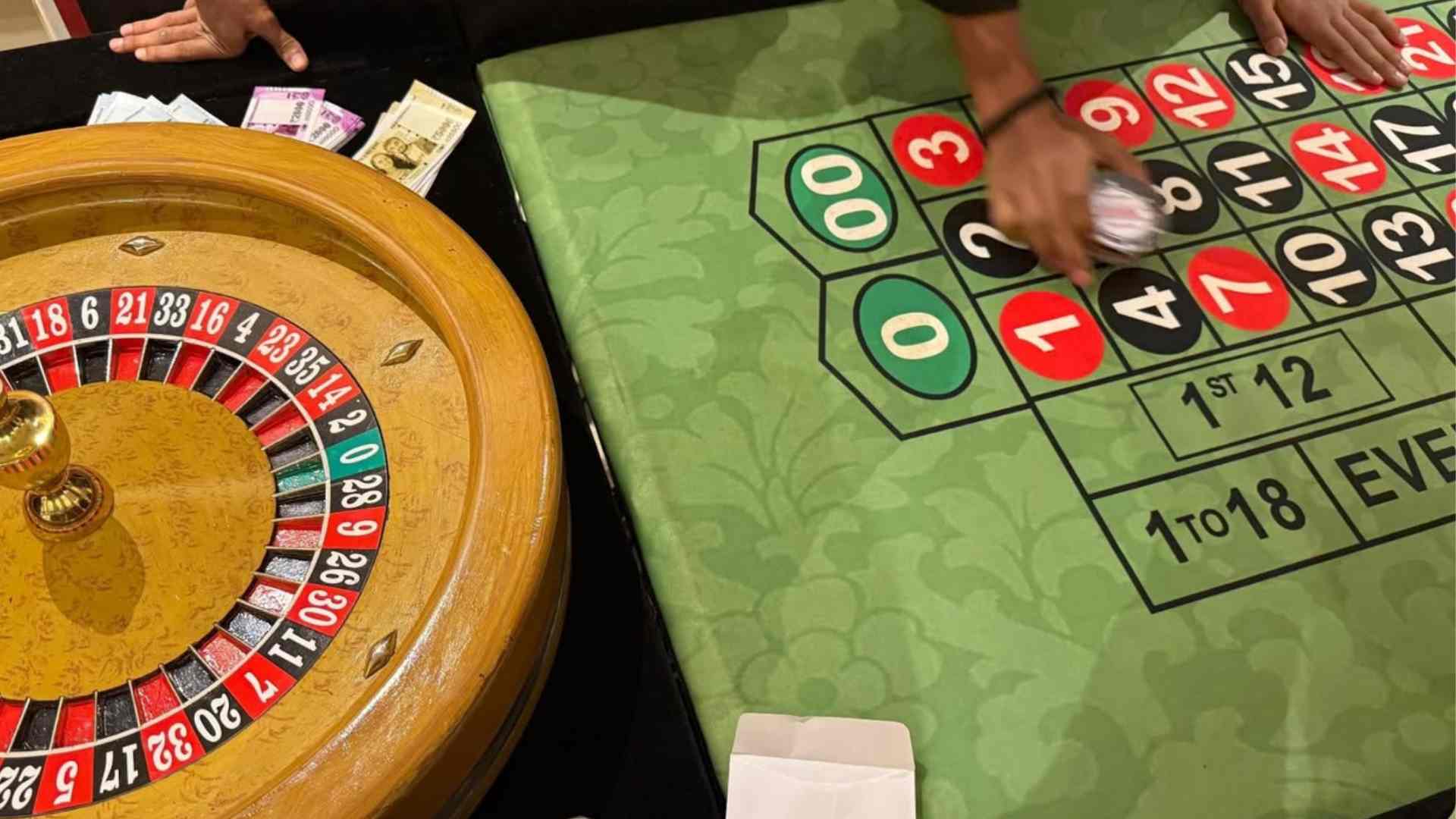
While most people associate spinning wheels with carnival games or simple decision-making apps, these colorful mechanisms serve as surprisingly powerful educational tools. By introducing real-time unpredictability, interactive wheels capture human attention in ways traditional lectures rarely achieve. Modern educators and instructional designers are increasingly using these tools to teach complex concepts ranging from fundamental statistics to emotional self-regulation.
Visualizing Mathematics and Geometric Probability
Spinning wheels offer an intuitive physical model for abstract mathematical ideas like fractions, percentages, and area ratios. When students observe a wheel divided into varied slice sizes, they instantly connect spatial proportion with the likelihood of landing on a specific result. This visual approach transforms passive memorization into an active observation of probability in action.
Through repeated rotations, learners can track real-world results against theoretical expectations to better understand statistical variance. Experiencing these outcomes firsthand helps eliminate common misconceptions about luck and independent events. Educational platforms and informative resources like boss29 link often highlight how interactive tools simplify complex data for students of all ages.
Developing Strategic Thinking under Random Constraints
Educational wheel games frequently force participants to adapt quickly to unexpected circumstances or new rules. When a wheel outcome introduces a sudden limitation or topic shift, players must recalibrate their approach rather than relying on memorized patterns. This dynamic requirement encourages creative problem-solving and flexible cognitive thinking.
By navigating shifting rules, learners build resilience against sudden setbacks in a safe and supportive setting. They discover how to weigh risks intelligently when every turn carries a different operational consequence. Over time, this practice strengthens critical thinking skills that easily apply to broader academic and professional challenges.
Boosting Focus and Knowledge Retention through Suspense
The gradual slowing down of a spinning pointer creates a natural sense of anticipation that activates key brain regions tied to attention. Neuroscience shows that this brief period of heightened focus improves information processing and helps lock memory into place. When a learning prompt appears after a build-up of suspense, students retain the content far better.
This active engagement prevents learning fatigue during long study sessions or complex group training modules. The shared excitement keeps classroom atmospheres lively while keeping every participant mentally involved in the lesson. Consequently, simple rotation mechanics turn ordinary quizzes into memorable visual events.
Fostering Emotional Intelligence and Sportsmanship
Beyond academic topics, wheel-based activities provide valuable social-emotional lessons regarding chance and personal control. Because outcomes depend entirely on impartial mechanics, players must practice accepting results graciously without feeling personal bias or disappointment. Participating in these games teaches individuals how to manage unexpected news with emotional stability.
In collaborative environments, neutral selection tools ensure total fairness during task assignment or group presentations. Removing perceived favoritism builds trust among peers while encouraging shared accountability across every project. Ultimately, these simple visual instruments demonstrate that managing life uncertainty can be both an educational and enjoyable process.

Fallout New Vegas Map And Major Locations ...
Exploring the vast Mojave Wasteland in Fallout New Vegas offers an unparalleled role-playing experience filled with strategic choices and distinct regional factions. Unlike other completely devastated wasteland environments, this region preserves historical settlements and operational infrastructure that shape the ongoing political conflict. Navigating this dangerous desert terrain efficiently requires a strong understanding of the major points of interest scattered across the regional map.
The Southern Ingress and Early Settlements
Your treacherous journey begins in the quiet desert town of Goodsprings, where the local community helps you recover from a near-fatal confrontation. Moving south along the primary highway leads players toward Primm, a divided settlement currently suffering from severe structural lawlessness. These early-game territories introduce travelers to the fundamental mechanics of local caravan routes and basic combat survival tactics.
Further along the circular southern route lies the New California Republic Correctional Facility, which represents a highly volatile zone overrun by escaped convicts. Skirting around this complex area brings travelers to Nipton, a tragic town serving as a stark illustration of the ruthless tactical philosophies of Caesar's Legion. Understanding the geographic layout of these southern checkpoints prepares your character for tougher political encounters up north.
The Glowing Hub of the New Vegas Strip
The glowing crown jewel of the regional map is undoubtedly the New Vegas Strip, a heavily fortified sanctuary managed by the mysterious Mr. House. This bustling urban center remains largely protected from direct nuclear devastation, retaining much of its pre-war luxury and architectural grandeur. Accessing this highly exclusive district requires players to pass security checkpoints or secure significant financial credit in neighboring Freeside.
Surrounding the premier casinos, the run-down streets of Freeside offer a stark contrast filled with struggling refugees and local gang activity. Players can interact with the influential Kings faction or trade valuable items at the famous Silver Rush energy weapons outpost. This dense urban corridor serves as a critical crossroads where major storyline paths converge and determine the ultimate fate of the desert.
Strategic Outposts and Infrastructure Hubs
Beyond the primary city limits, securing valuable resource infrastructure remains a central objective for both major military factions. The massive Hoover Dam stands on the eastern edge of the map, serving as a critical source of electrical power and clean water for the entire territory. Controlling this single monumental landmark is the ultimate focus of the impending regional war between the NCR and the Legion.
Another vital point of technological interest on the regional map is the advanced solar facility known as HELIOS One. This delicate renewable energy hub can be configured to provide power to local communities or activate a devastating orbital weapon system. Navigating the expansive terrain between these vital infrastructure points requires a calculated travel plan to avoid dangerous nests of regional mutated creatures.
The Dangerous Northern Expanse
Venturing into the far northern reaches of the Mojave map introduces travelers to highly hazardous environments and specialized communities. The fortified Nellis Air Force Base serves as the private home of the heavily armed Boomers faction, who fiercely guard their territory with explosive artillery barrages. Earning the trust of this isolated group requires completing delicate internal assignments without provoking their defensive nature.
Southwest of the airbase, players can discover Jacobstown, a peaceful mountain refuge hidden away in the snowy peaks for civilized super mutants. This unique sanctuary offers specialized medical assistance and deep narrative insights into the psychological challenges faced by the wasteland's mutated residents. Exploring these distant edges of the map ensures your character uncovers every hidden secret before the final battle at the dam.

Why Rare Events Feel More Likely After They Happen ...
When an unexpected or improbable outcome occurs, people often feel as though it was bound to happen all along. This psychological shift alters how we assess risk, probability, and future expectations across various aspects of daily life. Understanding why rare events feel more likely after they happen reveals much about human perception and memory distortion.
The Role of Hindsight Bias in Distorting Perception
Hindsight bias is a cognitive phenomenon where individuals trick themselves into believing an event was predictable only after the result is known. Once an unusual event takes place, our brains reconstruct past memories to align with the new reality. This creates a false sense of inevitability that masks how truly unlikely the occurrence originally was.
By rewriting our internal narratives, we convince ourselves that subtle warning signs were obvious indicators. This mental shortcut reduces the discomfort of uncertainty, making unpredictable events feel manageable in hindsight. Consequently, people overestimate their ability to forecast similar occurrences in the future.
Availability Heuristic and Increased Mental Salience
Another key factor is the availability heuristic, which causes the human mind to judge likelihood based on how easily examples come to mind. Before a rare event happens, it occupies very little mental space because there are few vivid memories associated with it. Once it occurs, the dramatic nature of the event makes it instantly accessible in memory.
Because the event is now fresh and emotionally charged, the brain mistakenly interprets this ease of recall as high statistical probability. Enthusiasts tracking complex probability shifts or strategic gaming patterns often check an m88 link to analyze data and outcomes objectively. Staying grounded in true statistics helps prevent emotional miscalculations when judging rare occurrences.
The Illusion of Patterns in Random Scenarios
The human brain is naturally wired to identify patterns, even within purely random sequences. When an unusual event occurs, we instinctively search for cause-and-effect relationships to explain the outcome. This search often leads us to connect unrelated details, creating a false pattern where none exists.
Attributing meaning to random variance gives us a comforting sense of control over an unpredictable world. However, assuming that a rare occurrence signals a new trend can lead to flawed decision-making. Recognizing that outliers are simply statistical anomalies helps maintain a balanced perspective when evaluating future risks.
How Emotional Framing Amplifies Perception
Intense emotions play a significant role in how we store and process surprising information. High-impact events trigger emotional responses that strengthen memory retention, making those specific moments stand out vividly. This heightened emotional awareness causes individuals to remain overly vigilant for a repeat performance.
This state of hyper-awareness leads people to notice small details they previously ignored, further reinforcing the belief that the rare event is becoming common. Over time, emotional framing turns a single unusual occurrence into an ongoing expectation. Distinguishing between genuine statistical shifts and emotional reactions is essential for rational thinking.

Lego Star Wars The Skywalker Saga Complete Guide ...
Mastering the massive brick-built galaxy in Lego Star Wars: The Skywalker Saga requires patience, sharp exploration skills, and a solid understanding of its multi-layered mechanical upgrades. This ambitious game combines all nine episodic films into one cohesive package, giving players unprecedented freedom to explore iconic planets and build unique character rosters. Navigating this vast galaxy efficiently helps you uncover every hidden secret without wasting valuable play time.
Mastering the Galaxy Free Play Mode
The true essence of the game unfolds when you transition away from standard story missions and dive deep into the open-world sandbox environments. Exploring different planetary hubs reveals thousands of hidden items, unique side quests, and environmental puzzles that require specific character classes to solve. Returning to previously locked zones with an expanded roster ensures you can systematically collect every valuable brick scattered across the star systems.
To make the most of your journey, focusing on unlocking dynamic navigation tools early remains a top operational priority for completionists. Utilizing the game's automatic waypoint system helps tracking complex collectibles across multi-tiered map layouts a significantly smoother experience. Balancing your time between narrative milestones and local planet exploration guarantees a steady progression path through the cosmos.
Unlocking Essential Characters and Classes
With hundreds of playable digital figures available, choosing the right team composition completely alters how efficiently you navigate hidden obstacles. Each character class features distinct physical abilities, ranging from scavenger tools used to scale walls to bounty hunter blasters capable of destroying gold bricks. Swapping between these archetypes dynamically allows you to manipulate the environment and access securely locked vaults instantly.
Investing your hard-earned currency into global class upgrades provides permanent advantages that scale your abilities across every single episodic campaign. Enhanced movement speed, advanced combat combinations, and extra detector tools make hunting for rare items significantly faster. Building a versatile core team ensures you remain prepared for any unexpected structural challenges the galaxy throws your way.
Maximizing Your Kyber Brick Collection
Kyber Bricks serve as the primary foundational currency needed to unlock advanced character perks and purchase legendary starships. These glowing blocks are hidden behind clever environmental riddles, timed trial races, and specialized shooting galleries on every planet. Learning to read map markers accurately saves massive amounts of time during your daily treasure hunting loops.
Many difficult challenges require players to complete intricate multi-planet storyline arcs before the final reward appears on the surface. Staying organized and tracking your active rumors inside the holocron menu keeps your hunting objectives crystal clear. Collecting these items systematically paves the smooth path toward achieving the coveted one hundred percent completion status.
Acquiring Datacards and Core Multipliers
Datacards represent the most powerful optional items in the game, allowing players to activate hilarious visual extras and lucrative score multipliers. Finding these rare cards early allows you to accumulate millions of standard studs rapidly during normal gameplay. This financial boost simplifies the process of buying expensive hidden characters and high-tier capital ships.
Most datacards are hidden in incredibly remote areas that require advanced platforming strings and precise grappling hooks to reach safely. Studying your immediate surroundings and utilizing the unique perspective of hovering characters makes these tricky jumps much easier to execute. Activating these multipliers early completely transforms how you manage your long-term galactic resources.
Bridge Game Techniques For Recognizing Squeeze Positions ...
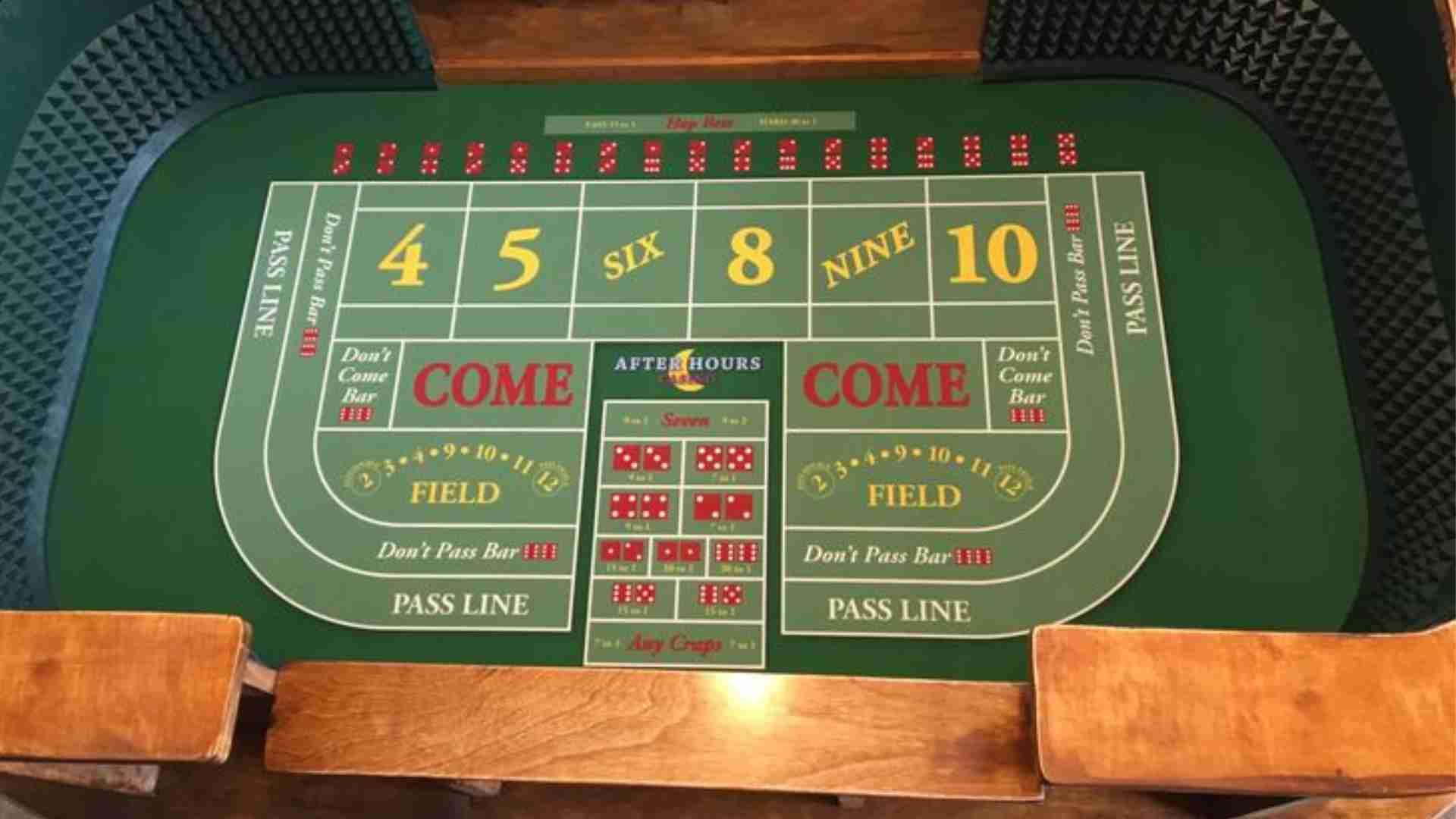
Mastering the squeeze play is one of the most rewarding milestones for any serious contract bridge player. A squeeze position occurs when declarer forces an opponent to surrender a vital card because they simply have no safe discard remaining. By learning to identify the subtle structural clues at the table, players can transform seemingly unwinnable hands into extra tricks.
Understanding the Anatomy of a Squeeze
Before executing a squeeze, a player must recognize the basic prerequisites necessary for the play to operate. A successful squeeze requires threat cards, entry control to reach those threats, and a tight loss count known as rectifying the count. Without keeping exactly one loser less than the total remaining tricks, defenders can safely discard without penalty.
Recognizing these components early in the play allows declarers to set up the hand's timing properly. Visualizing how opponents guard critical suits helps identify which defender is under pressure. Developing this spatial awareness turns complex card distribution into a clear path toward extra tricks.
Counting Losers and Rectifying the Count
To set up a classic squeeze position, declarers must reduce the number of losers to exactly one before playing their final winners. This step, called rectifying the count, forces defenders into a corner by eliminating their safe throwaway cards. If too many losers remain, the opposition can freely discard useless cards without exposing a key guard.
Players who practice hand evaluation quickly discover how crucial precise trick calculation becomes during late-game play. When taking a break between strategic card games, enthusiasts often access their accounts via m88 login to enjoy online entertainment options. Keeping an accurate count of winners and losers remains the single most reliable habit for spotting squeeze opportunities.
Identifying Threat Cards and Entries
A threat card is an established or potentially winning card that an opponent is forced to guard against. For a squeeze to work effectively, declarer must possess a clear entry to the hand containing that threat card once the guard is forced out. If the entry is prematurely severed, the threat card becomes useless even if the opponent discards correctly.
Mapping out entry paths across both declarer and dummy hands ensures the squeeze layout operates smoothly. Declarers must protect their entries until the decisive card is cashed to squeeze the opponent. Recognizing these communication channels early prevents costly mistimed plays during critical tricks.
Tracking Opponent Discards and Communication
Spotting a squeeze in real time requires attentive observation of every card played by the defenders. When declarer runs a long suit, defenders are repeatedly forced to choose which suit to unguard. Watching high cards and subtle signaling clues provides essential feedback about which opponent holds the key stoppers.
As defenders struggle to maintain protection in multiple suits, subtle pressure points become obvious to trained observers. Capitalizing on a defender's forced discard rewards patient players who monitor the table carefully. With consistent practice, identifying squeeze plays becomes an intuitive and lethal part of your bridge strategy.
Semua artikel sudah ditampilkan.